
South Dakota Mines Researcher Explores Agricultural Waste for Biodegradable Plastics
A researcher at South Dakota Mines in Rapid City is investigating the conversion of agricultural waste, such as corn byproducts, into biodegradable plastic alternatives for packaging and other materials.
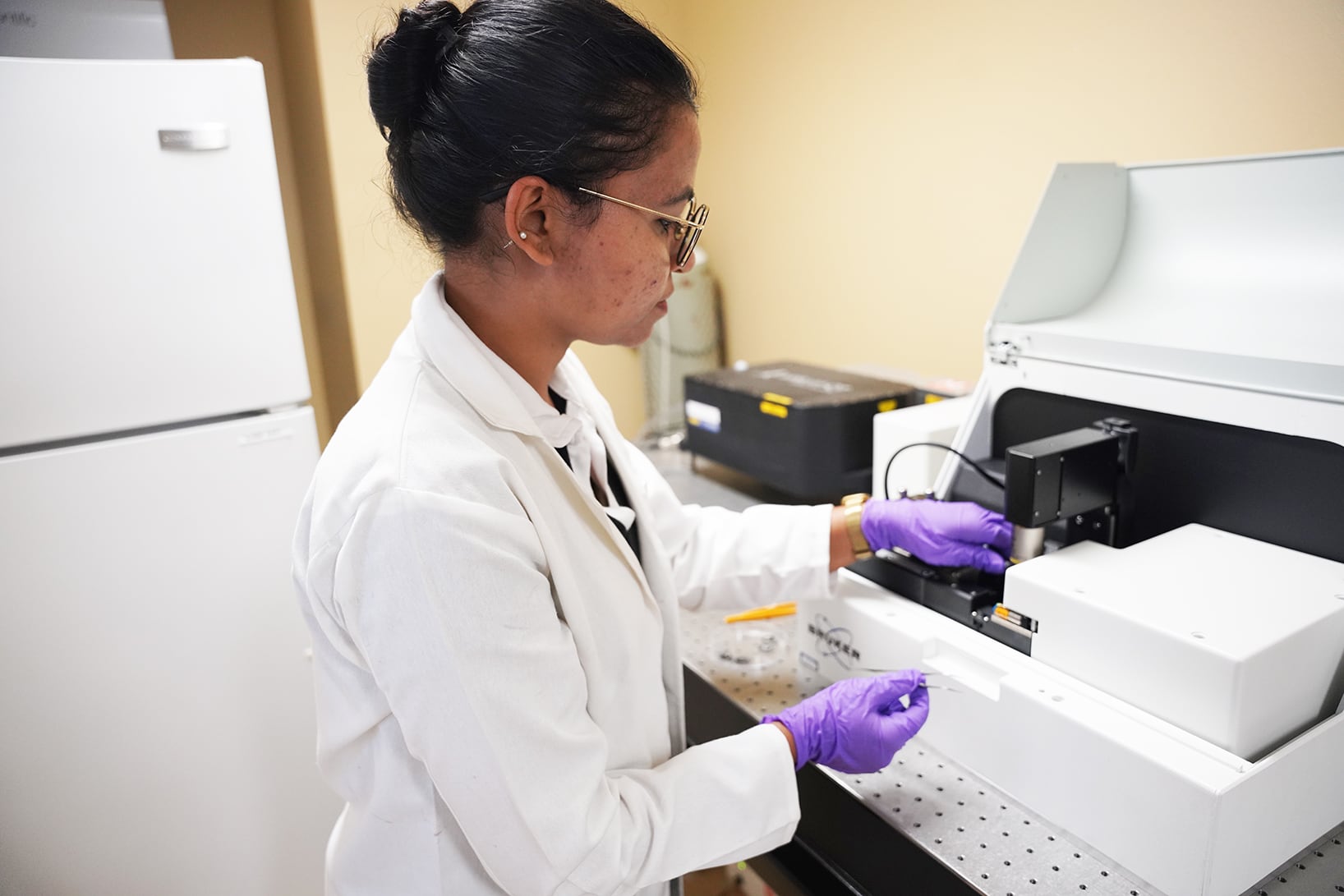
 Rapid City, SD, October 10, 2026 — A researcher at South Dakota Mines, located in Rapid City, is conducting investigations into transforming agricultural byproducts into viable alternatives to conventional plastics. The focus of this research is on utilizing waste materials, specifically mentioning corn byproducts, and converting them into biodegradable substances suitable for applications such as packaging and the creation of other everyday materials.
This line of inquiry addresses a growing global concern regarding plastic pollution and the environmental impact of non-biodegradable materials. By exploring the potential of agricultural waste, the research aims to develop sustainable solutions that could reduce reliance on petroleum-based plastics. The process involves examining how readily available agricultural residues can be processed and modified to exhibit the properties of plastics, while ensuring they naturally decompose after use.
The scope of the investigation covers the biochemical pathways and material science necessary to achieve this conversion. While the specific details of the technology or the exact timeline for development were not provided, the research represents a commitment to finding innovative uses for farm byproducts. Such advancements could offer economic benefits to agricultural sectors by creating new markets for waste streams, while also contributing to environmental sustainability efforts. The potential applications extend beyond packaging, potentially including disposable goods, textiles, or even components for consumer products.
The development of biodegradable plastic alternatives derived from renewable resources like corn waste is seen as a key area for future material innovation. The researcher’s work at South Dakota Mines is part of a broader scientific effort to foster a circular economy and mitigate the long-term ecological footprint of manufactured goods. Further details regarding the research methodology or the specific outcomes of the conversion process were not available at this time.
Story summarized from the original created by Mary Francis Witte on www.kotatv.com, see more information here.
Media gallery

