Rapid Creek Water Flows to Be Cut Significantly This Winter
Rapid City is preparing for significantly lower water flows in Rapid Creek this winter as the Bureau of Reclamation plans to cut releases from Pactola Reservoir nearly in half. The reduction, from 30 to 15 cubic feet per second, aims…

 Rapid City, SD, September 30, 2026 —
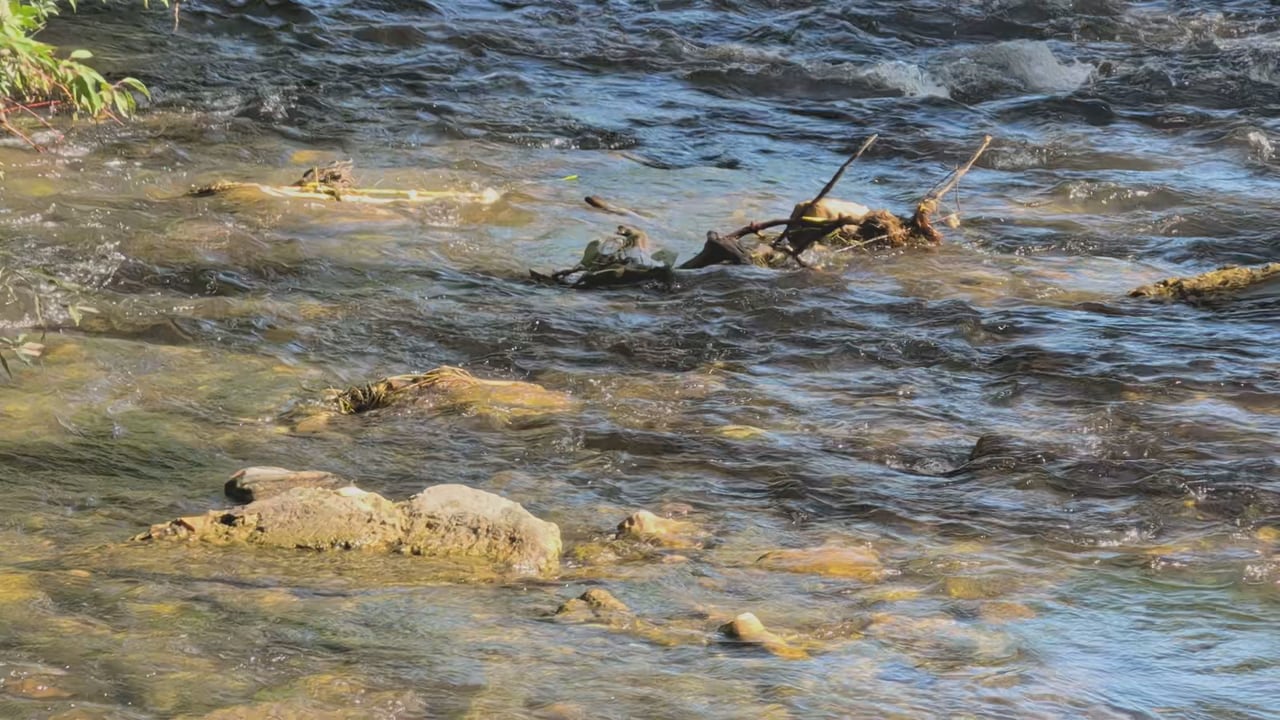
Rapid City residents and stakeholders can expect substantially reduced water flows in Rapid Creek throughout the upcoming winter. The Bureau of Reclamation has announced plans to decrease water releases from Pactola Reservoir, a measure intended to conserve crucial water resources during a period projected to have below-average snowpack.
The planned reduction will cut the current release rate by nearly half. Current flows stand at 30 cubic feet per second (cfs). The Bureau of Reclamation intends to lower this to 15 cfs. This adjustment is scheduled to occur this winter. Specific start and end dates for this reduced flow period were not provided.
According to information available, the primary motivations behind this decision are twofold. Firstly, the Bureau aims to conserve water reserves in Pactola Reservoir in anticipation of a potentially dry winter, characterized by below-average snowpack accumulation. Secondly, the reduced flow is also intended to safeguard the creek’s wild trout population, particularly during their critical spawning season. The exact timeline for the trout spawning season was not detailed in the summary.
The Bureau of Reclamation’s role involves managing water resources from federal projects. Decisions regarding reservoir releases are typically made based on hydrological forecasts, water storage levels, and environmental considerations, such as habitat protection for aquatic species. The impact of this reduction on downstream users or the broader environmental ecosystem, beyond the stated goal for trout, was not elaborated upon. The contractor responsible for implementing any changes to the reservoir release was not specified.
Local authorities and environmental groups are expected to monitor the effects of these lower flows. Further details regarding the precise timing and potential long-term implications of these water release adjustments are anticipated as the winter season progresses.
Story summarized from the original created by Ryan Hill on www.kotatv.com, see more information here.
Media gallery