
Spearfish Fire Department Advises Carbon Monoxide Detector Checks Amid Winter Heating Season
The Spearfish Fire Department is urging residents to check their carbon monoxide detectors and take precautions against the dangerous gas, especially with increased use of home heating systems during colder weather.

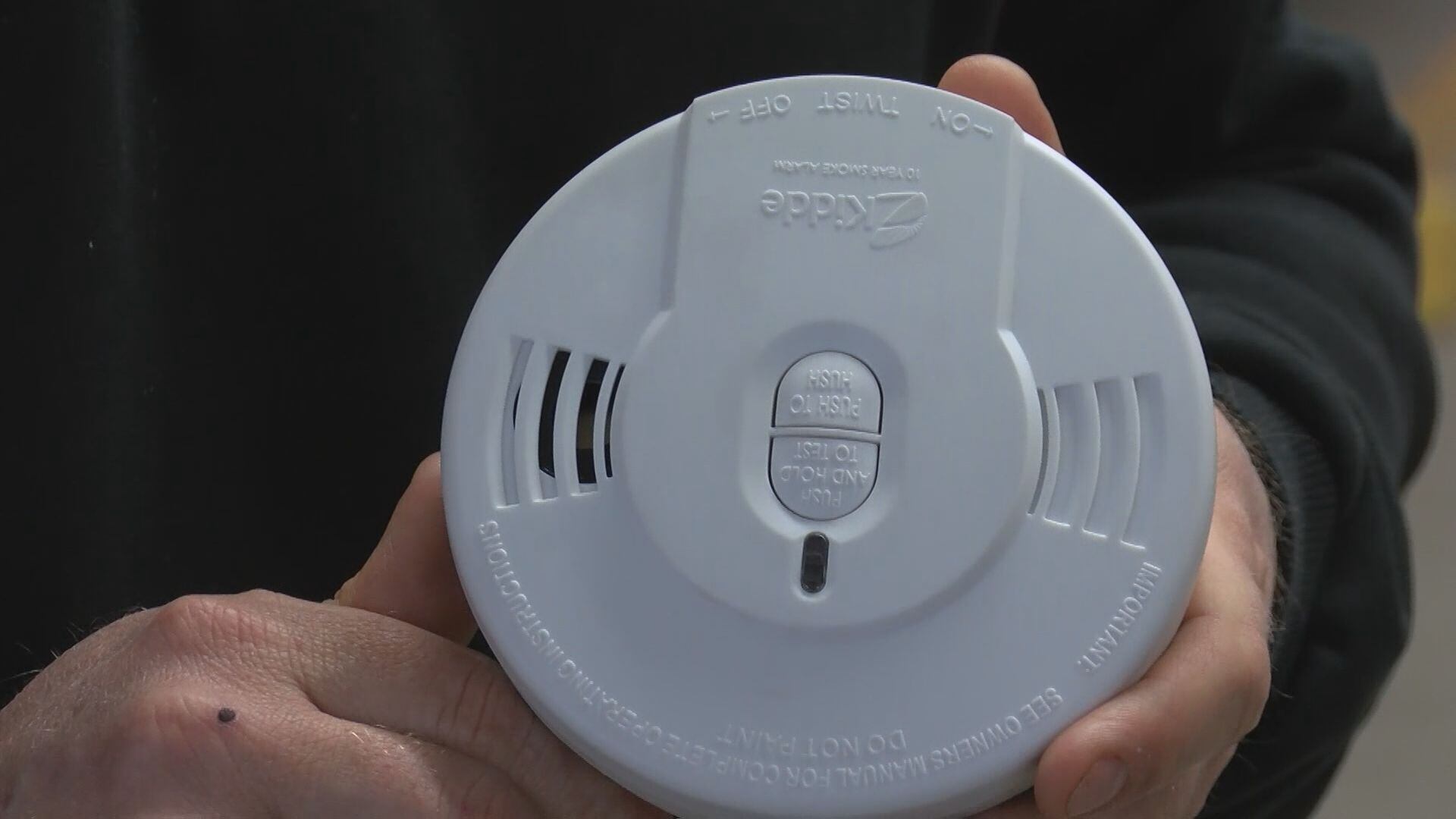
 Rapid City, SD, November 7, 2026 — The Spearfish Fire Department has issued a public safety advisory, reminding residents of the critical importance of checking their carbon monoxide detectors. This reminder comes as colder weather increases the reliance on home heating systems, a period when the risk of carbon monoxide exposure can rise.
Carbon monoxide (CO) is a colorless, odorless gas that can be deadly. It is produced by the incomplete burning of fuels such as natural gas, propane, oil, wood, and coal. Appliances that can produce carbon monoxide include furnaces, water heaters, stoves, fireplaces, and vehicles. When these systems are used more frequently during winter months, the potential for malfunction or improper ventilation increases, leading to a higher risk of CO buildup in homes.
The Spearfish Fire Department is encouraging all residents to ensure their carbon monoxide detectors are functioning correctly. This involves testing the alarms regularly and checking the expiration dates, as detectors have a limited lifespan and need to be replaced periodically. The department emphasizes that working CO detectors are a vital early warning system for this dangerous gas.
In addition to checking detectors, the department also advises residents to take general precautions. These include ensuring all fuel-burning appliances are properly maintained and vented, and never using generators, charcoal grills, or camping equipment indoors. It is also important to avoid running a vehicle in an attached garage, even with the door open.
Information regarding specific types of recommended detectors or local inspection services was not provided in the trend summary. Residents experiencing issues with their heating systems or suspecting a carbon monoxide leak should immediately evacuate the premises and contact emergency services.
Story summarized from the original created by Tamara Chibe on www.kotatv.com, see more information here.
Media gallery


