
Rapid City Pilots Biochar Project to Neutralize Herbicide Contamination in Compost
Rapid City, South Dakota, is piloting a project to test whether biochar, a product made from wood waste, can help neutralize herbicide contamination in the city's compost. The city is collaborating with Dakota BioChar, and results from the plant growth…

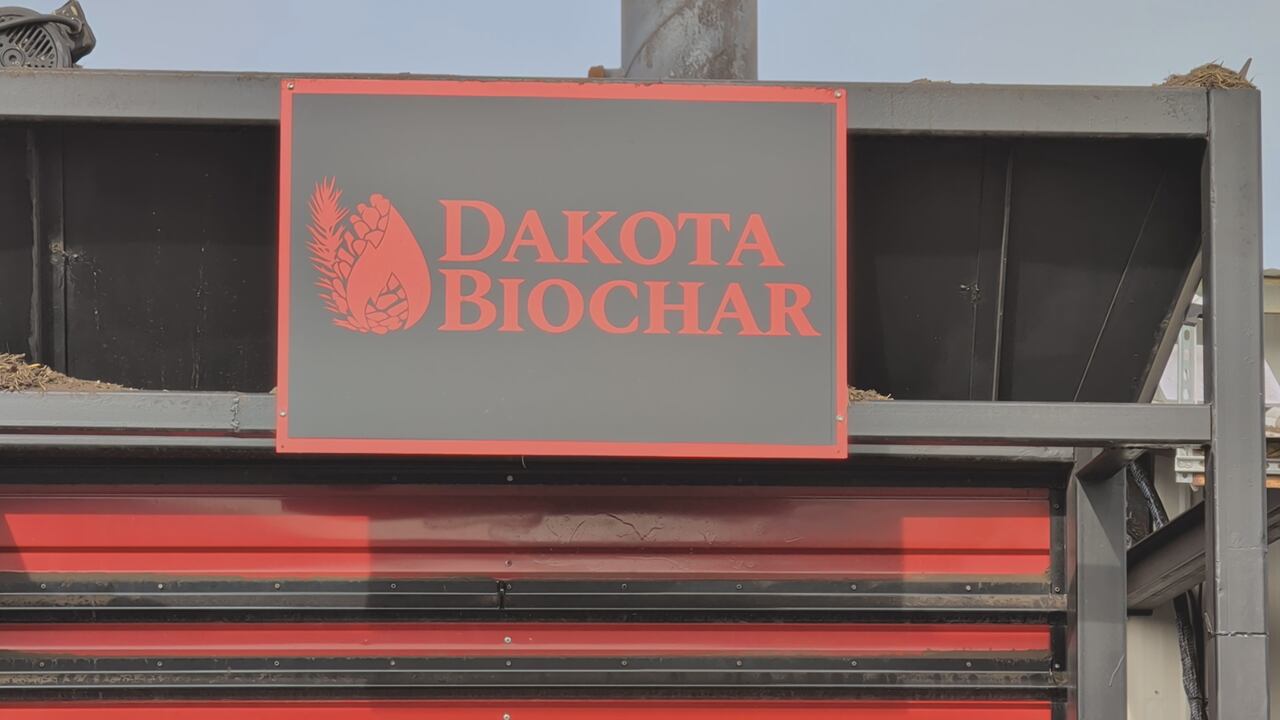
 Rapid City, SD, November 4, 2026 — Rapid City, South Dakota, is undertaking a pilot project to evaluate the effectiveness of biochar in addressing herbicide contamination within the city’s compost supply. Biochar, a charcoal-like material produced from the pyrolysis of wood waste, is being tested for its potential to neutralize residual herbicides.
The initiative is a collaboration between the city and Dakota BioChar. The project aims to determine if this biochar treatment can render the compost safe for widespread use, particularly in gardening and agricultural applications where herbicide residues could be detrimental to plant health.
A critical component of the pilot project involves comparing plant growth in compost treated with biochar against control groups. The findings from this plant growth comparison are anticipated in the spring. Until these results are available and have been analyzed, city officials are issuing a precautionary advisory.
Residents are advised against using the city’s compost in home gardens or on broadleaf plants. This recommendation is in place to prevent potential harm to sensitive vegetation that may be susceptible to herbicide damage. Further information regarding the compost’s safety for use is expected following the conclusion of the project’s current phase and the evaluation of the spring results.
Story summarized from the original created by Ryan Hill on www.kotatv.com, see more information here.
Media gallery


