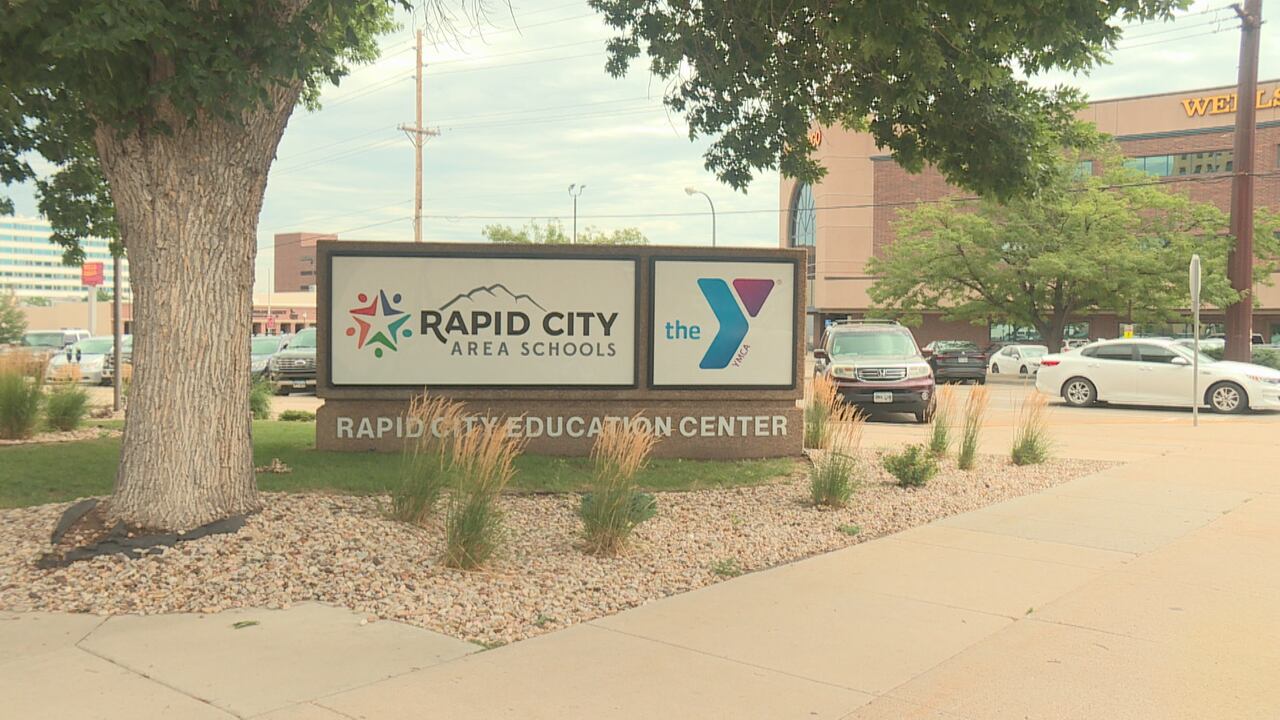
School Choice and Special Education Rights Explored by Rapid City Journal
A Rapid City Journal article explores how a parent's choice between public, charter, or private schools affects their child's special education rights.


 Rapid City, SD, November 5, 2026 —
A recent report from the Rapid City Journal has delved into the complexities surrounding parental decisions about school types and their impact on a child’s special education rights. The article examines how choosing between public, charter, or private educational institutions can influence the services and protections available to students requiring special education support.
The core of the exploration centers on the differing legal frameworks and operational models that govern these various school types. Public schools, by federal law such as the Individuals with Disabilities Education Act (IDEA), are generally mandated to provide a Free Appropriate Public Education (FAPE) to eligible students with disabilities. This includes the development and implementation of individualized education programs (IEPs).
In contrast, the landscape for charter schools can vary significantly. While many charter schools in South Dakota are designed to serve students with diverse needs, their specific obligations regarding special education can differ from traditional public schools, depending on their charter and state regulations. The article highlights that parents need to be aware of the specific services a charter school is equipped and legally bound to provide.
Private schools, which are typically not funded by public tax dollars, operate under a different set of rules. Federal special education laws, like IDEA, do not universally mandate them to provide the same scope of services as public schools. However, some private institutions may offer specialized programs, and certain provisions might exist for students with disabilities, depending on state laws and the school’s policies. The Rapid City Journal article points out that parents pursuing private education for a child with special needs may need to investigate the extent of available support and funding options independently.
The article underscores the critical importance of parental research and engagement, regardless of the chosen educational path. Understanding the rights, responsibilities, and available resources for special education is paramount for ensuring a child receives appropriate support for their academic and developmental needs. The specific details regarding the scope of services, eligibility criteria, and parental recourse within each school type were explored in the original reporting.
Story summarized from the original created by Google News on news.google.com, see more information here.