
From Chef’s Counter to Backyard: Live Fire Becomes a Visible Cooking Experience
MICHELIN Guide's 2026 focus on “char, smoke and flame” highlights a broader appetite for cooking methods built around
Press Release Disclaimer: This is a press release distributed through the XPR Media network. It has not been independently verified by our newsroom.
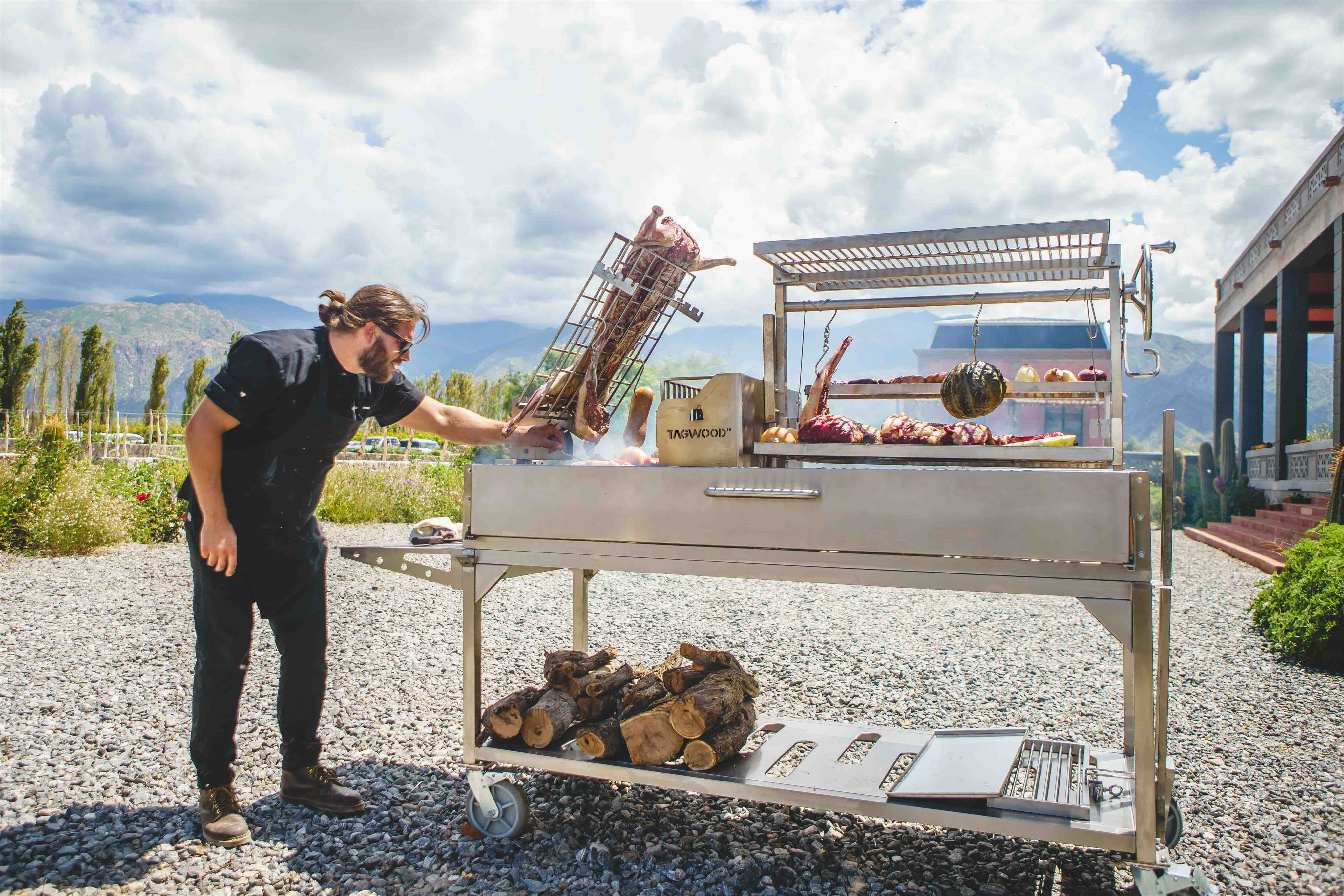

MICHELIN Guide’s 2026 focus on “char, smoke and flame” highlights a broader appetite for cooking methods built around fire, craft, and participation
MIAMI, FL, UNITED STATES, September 22, 2026 /EINPresswire.com/ — The open-flame techniques shaping restaurant menus are also influencing how outdoor-cooking brands think about the backyard, according to TAGWOOD. The Miami-based manufacturer says the appeal extends beyond smoke flavor: live fire makes heat control, timing, and the cooking process visible to guests.
The MICHELIN Guide identified “char, smoke and flame” as one of seven food trends its inspectors were seeing in 2026. The report described chefs using wood, embers, charcoal, and hot stones across different cuisines—not as a decorative flourish, but as a central technique for building flavor and reconnecting diners with the cooking process.
For residential outdoor cooking, that same idea changes the role of the grill. A gas grill is designed to make heat convenient and repeatable. A Santa Maria-style grill makes heat adjustable through ember placement and the distance between the fire and the food. The cook moves coals, creates zones, and raises or lowers the grate as the food develops.
The distinction is not that one method is universally better. Gas remains valuable for speed and consistency. Live fire offers a different experience: the cook and guests can see the heat source, smell the wood, observe changes in the ember bed, and participate in a meal that develops over time.
That visibility is central to the Argentine asado tradition that informs Tagwood’s grills. Meat, vegetables, provoleta, and other dishes can be cooked in stages, while the fire remains active and the table is served progressively. The grill functions as both cooking equipment and the center of the social experience.
The MICHELIN trend does not by itself prove that U.S. consumers are abandoning gas grills. It does, however, show that open flame has moved beyond a niche technique in high-end kitchens. TAGWOOD views the residential opportunity as part of that wider interest in food prepared through recognizable craft rather than concealed automation.
For homeowners and outdoor-kitchen designers considering live-fire equipment, Tagwood recommends evaluating heat-control range, working clearances, ventilation, fuel storage, material specifications, maintenance access, and the kinds of cooking the space needs to support. A live-fire installation should be planned as a working kitchen zone, not placed as a decorative object after the patio is finished.
TAGWOOD designs freestanding and built-in Argentine Santa María-style grills for residential and professional outdoor kitchens. Additional product and installation information is available at tagwoodbbq.com.
About TAGWOOD
TAGWOOD is the leading brand in live-fire outdoor cooking experiences. Their product line emphasizes premium materials, functional design, and authentic open-fire barbecue tradition. The brand highlights its Argentine heritage and passion for grilling, rooted in human origin and built for modern living.
TAGWOOD, Argentine & Santa Maria Live-Fire Grills.
Walter Afonso
TAGWOOD
email us here
Visit us on social media:
LinkedIn
Instagram
Facebook
YouTube
Best Argentine Grill of the Year Tagwood BBQ03SS
Legal Disclaimer:
EIN Presswire provides this news content “as is” without warranty of any kind. We do not accept any responsibility or liability
for the accuracy, content, images, videos, licenses, completeness, legality, or reliability of the information contained in this
article. If you have any complaints or copyright issues related to this article, kindly contact the author above.

Media gallery


