Black Hills Wildlife Adapts to Autumn Changes, Prompting Caution
As fall arrives in the Black Hills, wildlife behavior shifts due to cooler temperatures, shorter days, and changing seasons, leading to increased opportunities for human-wildlife encounters. Changes include young animals becoming more independent, species migrating, and others focusing on finding…
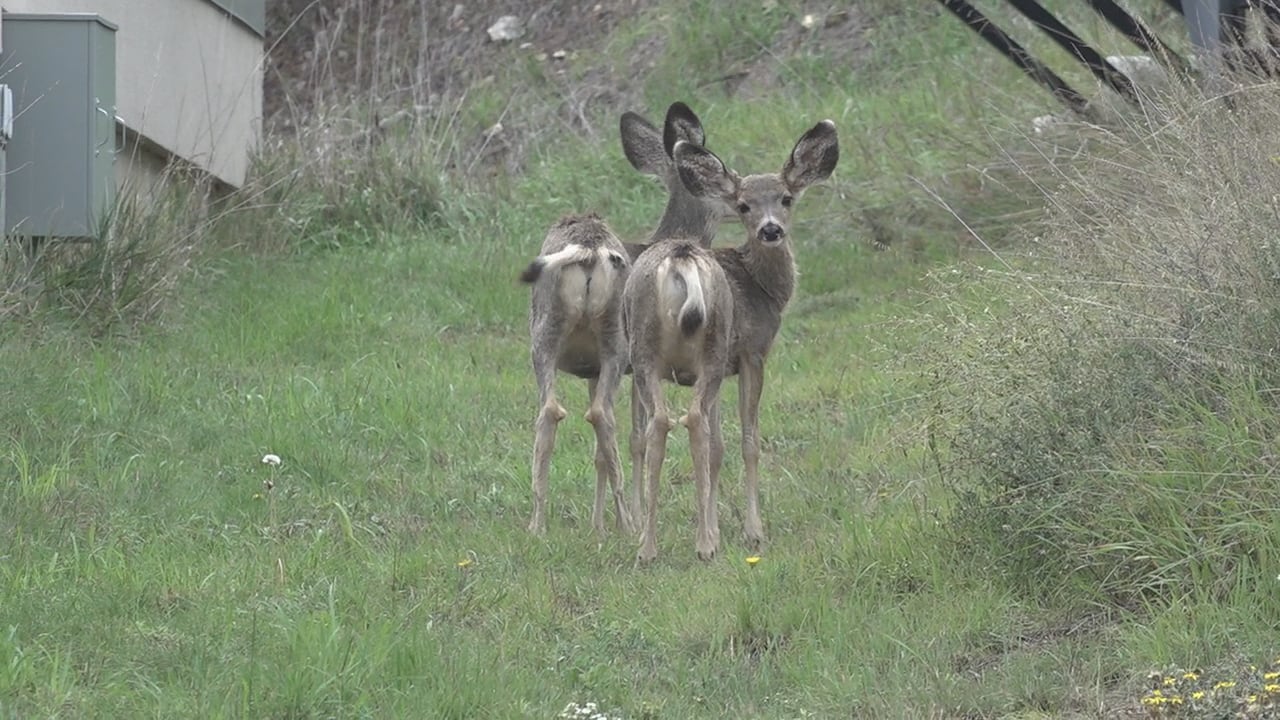
 Rapid City, SD, October 2, 2026 — As the autumn season takes hold in the Black Hills, local wildlife is exhibiting behavioral shifts driven by cooler temperatures, diminishing daylight hours, and the natural progression of the year. These seasonal changes are contributing to a noticeable increase in opportunities for human-wildlife interactions across the region.
The transition into fall prompts several notable alterations in animal activity. Young animals, which may have been dependent on their mothers during warmer months, are becoming more independent and venturing out on their own. Concurrently, various species are engaging in migratory patterns, moving to new areas in response to environmental cues. For other wildlife, the focus intensifies on foraging and accumulating resources to sustain them through the upcoming winter, while some species may be entering their breeding periods.
In light of these behavioral changes, wildlife experts are offering guidance to residents and visitors. A key recommendation is to take measures to secure potential attractants around homes, such as food waste, pet food, and bird feeders, which can draw animals into residential areas. Maintaining a respectful and safe distance from wildlife is also emphasized to prevent stressful encounters for both humans and animals.
Drivers in the Black Hills are specifically cautioned to be aware of heightened deer activity, particularly during dawn and dusk. The increased movement of these animals on roadways poses a significant risk, and motorists are advised to exercise increased vigilance and reduce speeds in areas known for wildlife crossings.
The specific timelines for these behavioral shifts and the full extent of species affected were not detailed in the provided information. Further details regarding local wildlife management strategies or specific incident reports were also not available.
Story summarized from the original created by Ryan Hill on www.kotatv.com, see more information here.
Media gallery